
Implantation vs Period Calculator
Understand whether your spotting or bleeding could be implantation or your period.
What is Implantation Bleeding?
Implantation bleeding is one of the earliest signs of pregnancy and often confuses many with a light period.
Implantation bleeding is one of the earliest signs of pregnancy and often gets confused with a light period. Our Implantation vs Period Calculator helps you understand if your spotting is a sign of early pregnancy or just part of your menstrual cycle.
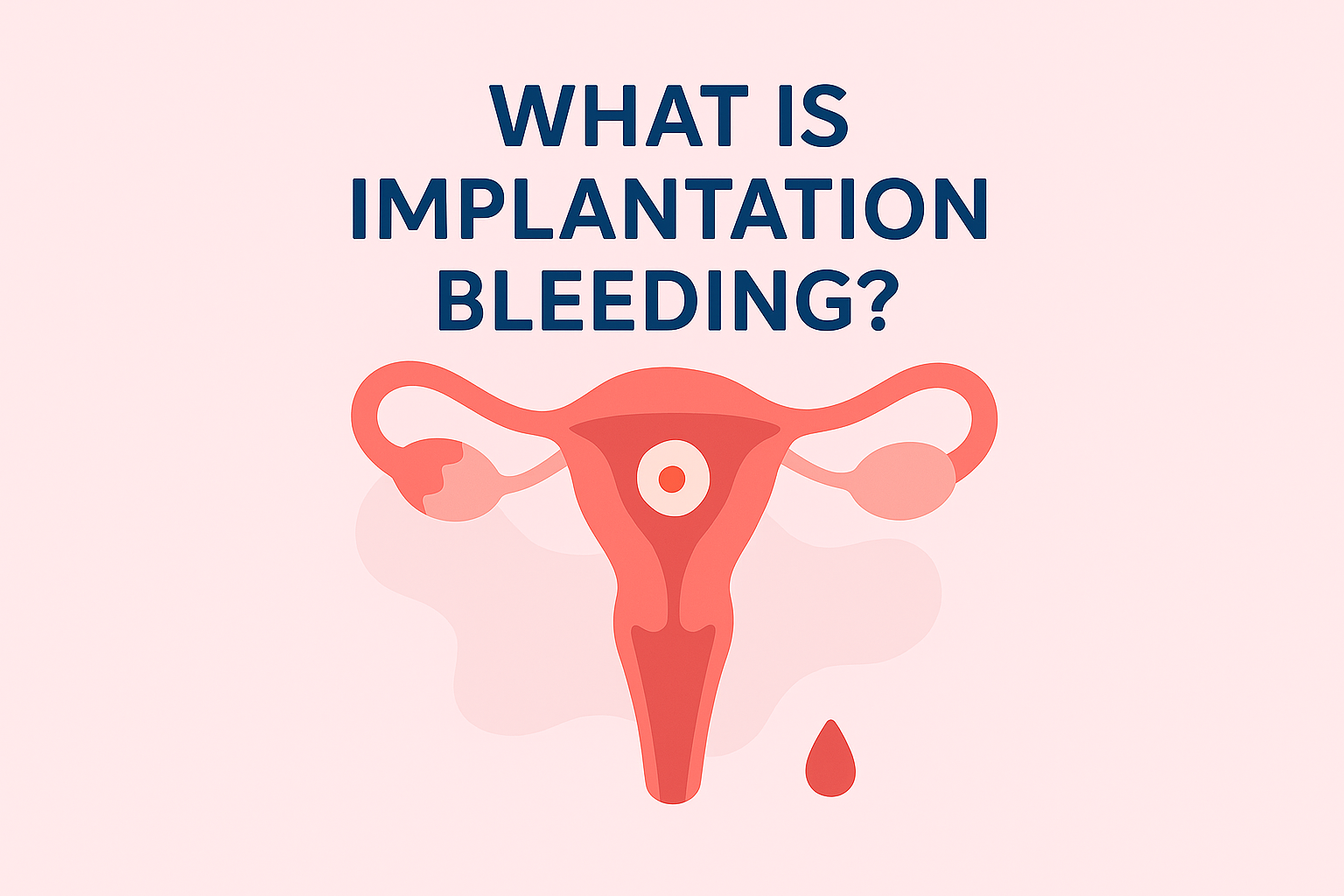
Illustration: showing uterus and light implantation bleeding, representing early signs of pregnancy.
Implantation bleeding occurs when a fertilized egg attaches to the lining of your uterus. It’s usually lighter than a normal period and happens 6–12 days after ovulation. Common signs include:
Light pink or brown spotting
Short duration (1–2 days)
Mild cramping
No clots
Not all women experience implantation bleeding, and its timing can vary depending on your cycle. Using the Implantation vs Period Calculator can make it easier to spot these subtle differences. You can learn more about implantation bleeding on the American Pregnancy Association for detailed information and guidance.
How Is It Different from a Period?
Confusion often arises between period spotting vs implantation bleeding. While they can appear similar, here are key differences:
| Feature | Implantation Bleeding | Period |
|---|---|---|
| Color | Pink or light brown | Bright red |
| Flow | Very light, sometimes just spotting | Heavier, continuous |
| Duration | 1–2 days | 3–7 days |
| Cramping | Mild | Moderate to severe |
| Timing | 6–12 days after ovulation | Regular cycle (around 14 days after ovulation) |
Understanding these differences helps you interpret your symptoms more accurately and know when to take a pregnancy test. For quick clarity, try our Implantation vs Period Calculator.
How to Use the Implantation bleeding vs Period Calculator
Using our calculator is simple and takes only a few steps:
Enter the first day of your last menstrual period (LMP).
Select your average cycle length.
Add any spotting days or symptoms you’ve noticed.
Click “Calculate” to see your result.
The Implantation vs Period Calculator will suggest whether your spotting is likely implantation bleeding or a normal period — and guide you on when to take a pregnancy test.
Signs You Might Be Pregnant
If the calculator suggests your spotting could be implantation bleeding, keep an eye out for these early pregnancy signs. They often show up around the same time as implantation, usually 1 to 2 weeks after ovulation.
Mild cramping — Light, dull cramps in your lower belly, much softer than period cramps. This can happen as the embryo attaches to the uterus.
Breast tenderness — Your breasts may feel sore, heavier, or more sensitive than usual. This happens because hormone levels start rising early in pregnancy.
Nausea or food aversions — Some women start feeling queasy or suddenly dislike foods they normally enjoy, even before a missed period. This is often an early sign, though it doesn’t happen to everyone.
Fatigue — Feeling more tired than usual, even after a full night’s sleep. This is common in early pregnancy as your body starts working harder.
Frequent urination — Needing to pee more often than normal, even in the first few weeks, as hormone changes affect your bladder.
Keep in mind, these signs on their own don’t confirm pregnancy — some can also happen before a regular period. The only way to know for sure is a pregnancy test, ideally taken a few days after your expected period for the most accurate result.
When to Take a Pregnancy Test
Timing your pregnancy test matters, because testing too early can give you a false negative even if you are pregnant.
Here’s why: after implantation happens, your body needs a few more days to build up enough of the pregnancy hormone hCG for a test to detect it. This usually takes 2 to 3 days after implantation. So if you test right when spotting starts, the hormone level may still be too low to show up, even though you’re actually pregnant.
For the most accurate result, it’s best to wait until:
- A day after your expected period, if you know your cycle dates, or
- 10 to 14 days after ovulation, if you’re tracking ovulation instead
If you test early and get a negative result but still suspect you’re pregnant, wait 2 to 3 more days and test again — hormone levels rise quickly during this time, so a repeat test is often more accurate.
For a full breakdown of testing accuracy, timing, and what to expect, check out our [When to Take a Pregnancy Test]
Tips for Tracking Your Cycle
Tracking your cycle can make it much easier to tell implantation bleeding apart from your period:
Keep a calendar: Note the start and end date of your period every month. After a few months, this helps you see your normal cycle length and quickly notice anything that looks different.
Monitor spotting: If you notice light bleeding or unusual discharge, write down the exact date, how heavy it is, and how long it lasts. This makes it much easier to compare later.
Track ovulation: Use ovulation strips, or our Ovulation Calculator, to get a clearer idea of when you’re most fertile. Knowing your ovulation date makes it easier to estimate when implantation might happen.
Listen to your body: Cramping, breast tenderness, and mood changes can all give clues about where you are in your cycle, especially when they show up around the same time as spotting.
By staying consistent with tracking, you’ll be better equipped to notice early pregnancy signs, spot irregular cycles early, and feel more confident about what your body is telling you.
Why Use Our Calculator?
Our Implantation vs Period Calculator is designed to give you:
Accurate estimates based on your cycle
Quick results without complicated calculations
Helpful insights into your reproductive health
Links to other fertility tools to track ovulation and pregnancy potential
It’s a safe, easy-to-use tool for anyone trying to understand their cycle better.
When to Use the Implantation vs Period Calculator
If you notice light spotting around ovulation
When trying to conceive and track early pregnancy signs
To monitor changes in your cycle or bleeding patterns
Before taking a home pregnancy test to time it accurately
Get Weekly Pregnancy & Fertility Tips
Get helpful, evidence-based insights on implantation, early pregnancy, fertility, ovulation, and pregnancy testing, delivered straight to your inbox every week.
Frequently Asked Questions
What is implantation bleeding
implantation bleeding is light spotting that occurs when a fertilized egg attaches itself to the lining of the uterus. It usually happens about 6–12 days after ovulation and is one of the earliest signs of pregnancy. The bleeding is typically very light—pink or brown in color—and lasts for a short time, often 1–2 days. Unlike a period, it doesn’t have heavy flow or severe cramps.
Can you take a pregnancy test during implantation bleeding
It’s better to wait a few days after implantation bleeding before taking a pregnancy test, as hCG levels may still be too low. Testing about 3–5 days later gives more accurate results.
How long after implantation bleeding can i test
You can take a pregnancy test about 3–5 days after implantation bleeding or when your period is due for the most accurate result.
Does implantation bleeding have clotting
No, implantation bleeding does not have clots. It’s usually light spotting that appears pink or brown, unlike a period which often includes clots.
When does implantation bleeding occur
Implantation bleeding usually occurs 6–12 days after ovulation, or about a week before your expected period.
How long does implantation bleeding last
Implantation bleeding usually lasts 1 to 2 days, and it’s much lighter than a regular period.
What is a chemical pregnancy
A chemical pregnancy is an early miscarriage that happens shortly after implantation. It means a fertilized egg briefly attached to the uterus but didn’t develop further, often before a missed period.